
Cognitive Behavioral Therapy (CBT) in Dhaka, Bangladesh: Book a Session
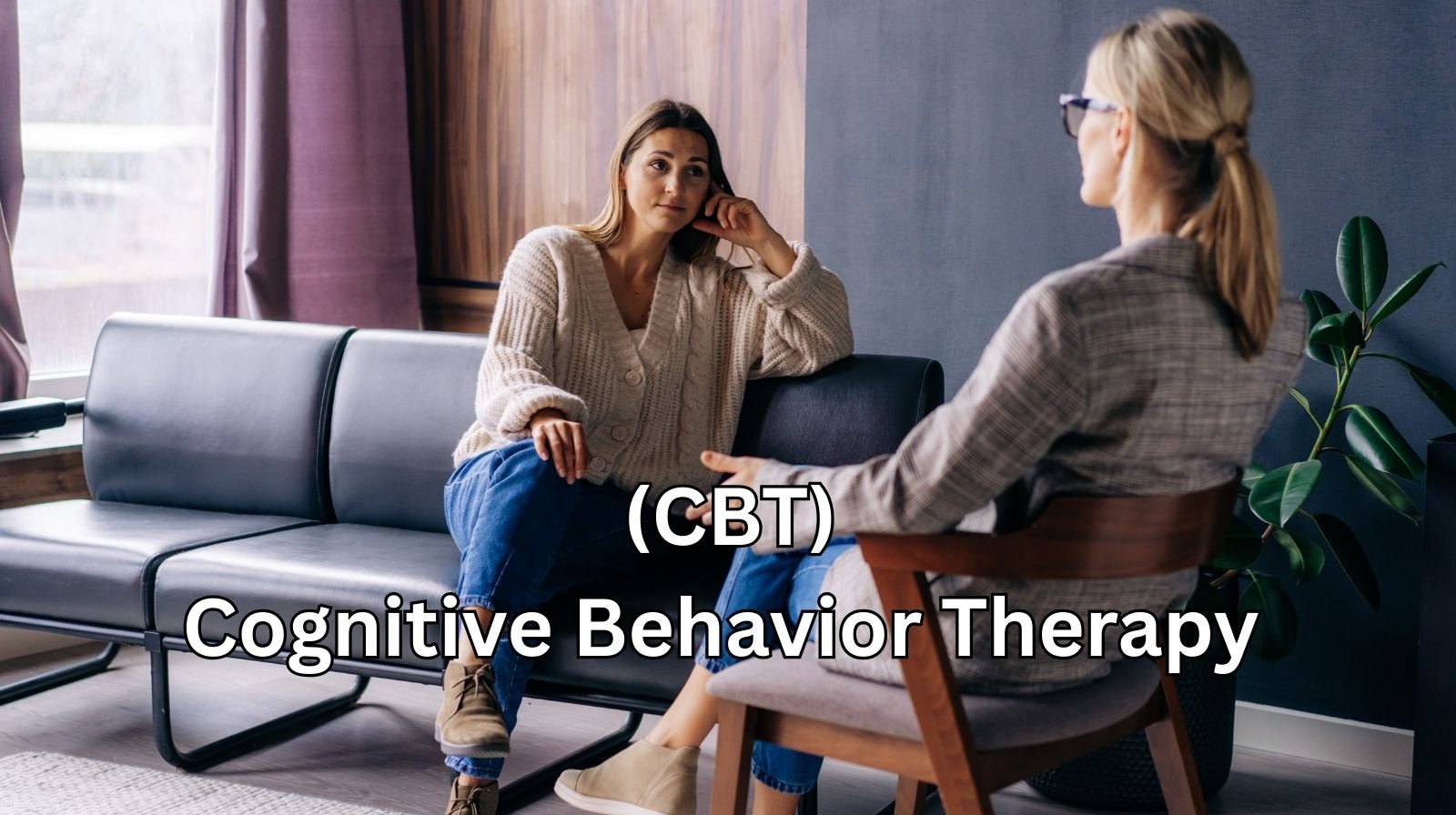
Cognitive Behavior Therapy (CBT): A Complete Guide to How It Works and Why It’s Effective
Cognitive Behavior Therapy (CBT) is one of the most widely researched and effective forms of psychotherapy used around the world today. It helps individuals identify negative patterns in their thoughts (cognitions) and behaviors, and then replace them with healthier, more adaptive alternatives. Whether you are struggling with anxiety, depression, or stress, CBT provides practical tools to manage challenges and improve overall mental health.
In this blog, we will break down what CBT means, how it works in therapy sessions, its duration, the types of mental health issues it can address, and the different ways it can be applied.
What is Cognitive Behavior Therapy (CBT)?
CBT is based on the idea that our thoughts (cognitions), behaviors, and emotions are closely connected. The way we think directly influences how we feel and act.
Cognition (Thoughts): These are our internal beliefs or interpretations of situations. For example, if you think, “I always fail at everything”, you will likely feel sad or hopeless.
Behavior (Actions): These are the things we do in response to our thoughts and feelings. For instance, if you believe you will fail, you may avoid trying new things or stop putting effort into your work.
CBT helps individuals recognize these unhelpful thought patterns and behaviors, and gradually replace them with more balanced, realistic, and constructive ones.
How Our Experts Help with CBT and How It Works
Our experts use Cognitive Behavioral Therapy (CBT) to guide you toward healthier ways of thinking and acting. A therapist acts as a guide, helping clients:
Identify Negative Thoughts: The first step is learning to recognize the recurring negative or distorted thoughts that pop into your head, such as “Nobody likes me” or “I can’t handle stress.”
Challenge and Reframe: Next, you’ll question the truth of these thoughts and learn how to reframe them into healthier perspectives. For example, replacing “I always fail” with “I didn’t succeed this time, but I can improve with practice.”
Use Behavioral Techniques: To change unhealthy habits, our experts will encourage you to practice various techniques like gradual exposure, role-playing, journaling, and problem-solving exercises.
Build Skills: You’ll learn valuable coping strategies such as relaxation techniques, mindfulness, and self-monitoring to better manage situations.
Through repeated practice, CBT empowers you to develop healthier thinking patterns and make positive, lasting changes in your life.
Learning to Solve Problems Independently
One of the most powerful aspects of CBT is that it equips clients with lifelong tools. Over time, individuals don’t just rely on the therapist—they learn to:
Recognize distorted thinking on their own.
Apply problem-solving techniques in daily life.
Manage stress and emotional difficulties independently.
This makes CBT not just therapy, but also a self-help tool for long-term well-being.
Duration and Session Structure
Session Length: Typically 45 to 60 minutes per session.
Duration of Treatment: On average, CBT lasts between 8 to 20 sessions, depending on the severity of the problem.
Short-Term and Goal-Oriented: Unlike some other therapies, CBT focuses on achieving practical, measurable results in a relatively short period.
Mental Health Problems Treated with CBT
CBT is highly versatile and has been proven effective for a wide range of psychological issues. Some of the most common include:
Anxiety Disorders (Generalized Anxiety Disorder, Social Anxiety, Panic Disorder, Phobias)
Depression and Persistent Low Mood
Obsessive-Compulsive Disorder (OCD) and Exposure & Response Prevention (ERP)
Post-Traumatic Stress Disorder (PTSD)
Panic Attacks and Panic Disorder Management
Sleep Problems and Insomnia
Addiction and Substance Abuse
Stress and Anger Management
Relationship and Marriage Counseling
Child and Adolescent Behavioral Problems
Eating Disorders (Anorexia, Bulimia, Binge-Eating Disorder)
Sexual Wellness and Intimacy Issues
Chronic Illness and Pain Management
Workplace Stress and Burnout
School-Based Mental Health Issues
Because of its evidence-based approach, CBT is often the first-line treatment recommended by psychologists and psychiatrists.
How Can CBT Be Applied?
CBT can be practiced in different formats depending on the client’s needs:
Individual Therapy: One-on-one sessions with a therapist, focusing on personal challenges and customized strategies.
Group Therapy: A therapist works with a group of individuals facing similar problems. This format provides peer support and helps clients learn from shared experiences.
Online CBT: Virtual therapy sessions via video calls, which make mental health support more accessible.
Final Thoughts
Cognitive Behavior Therapy (CBT) is more than just a treatment method—it’s a structured and practical way of learning to think and act differently in life. By addressing both thoughts and behaviors, it helps people not only recover from mental health issues but also build resilience for the future.
If you are dealing with stress, anxiety, depression, or other mental health challenges, CBT could be a powerful step toward healing. With the right guidance, you can learn to manage your thoughts, change unhelpful behaviors, and live a healthier, more fulfilling life.
Meet Our Globally-Trained Cognitive Behavior Therapy (CBT) Experts
Subhashis Kumar Chatterjee
Assoc. Clinical Psychologist
With more than 15 years of experience, Subhashis Kumar Chatterjee is an expert in adult mental health. He excels in addiction counseling, relationship and intimacy counseling, and psychotherapy. He uses a variety of therapeutic approaches, including CBT, DBT, Mindfulness, and Relaxation to help his clients achieve a healthier state of mind.
Mst. Swampa
Clinical Psychologist
A seasoned Clinical Psychologist with over 15 years of experience, Mst. Swampa focuses on both child and adult mental health. She is a compassionate professional who provides expert guidance on parenting and relationship issues. Her therapeutic toolkit includes CBT, DBT, Psychodrama, and Art Therapy, offering a creative and effective path to healing.
Lutfun Nahar
Clinical Psychologist
Lutfun Nahar brings over 12 years of experience to her practice, specializing in emotional issues, conversion, and trauma. As a dedicated Clinical Psychologist, she helps individuals navigate complex emotional landscapes using evidence-based approaches like CBT, DBT, Mindfulness, and EMDR.
Md. Abdul Awal
Assoc. Clinical Psychologist
With over 11 years of experience, Md. Abdul Awal is a skilled Assoc. Clinical Psychologist specializing in adult mental health. He is an expert in psychological testing, anxiety, PTSD, and sexual wellbeing. He utilizes therapeutic methods such as CBT, DBT, and Family Therapy to support his clients.
Tanvirul Alam
Assoc. Clinical Psychologist
Tanvirul Alam has over 7 years of experience as an Assoc. Clinical Psychologist. He is an expert in both child and adult mental health, with a focus on depression, BPD, and psychological testing. His work helps clients find effective solutions through CBT, DBT, and Behavior Therapy.
Md. Nasim Billah
Assoc. Clinical Psychologist
Md. Nasim Billah is an Assoc. Clinical Psychologist with over 6 years of experience. An expert in OCD, he also specializes in a variety of other issues, including relationship and intimacy problems, gender identity, and addiction. He provides a supportive environment using CBT, DBT, and Group Therapy.
Karima Khatun
Assoc. Clinical Psychologist
With over 6 years of experience, Karima Khatun is an Assoc. Clinical Psychologist who specializes in helping adults with depression, stress, and panic attacks. She uses a blend of therapeutic techniques, including CBT, DBT, and Relationship Counseling to provide comprehensive care.
Md Abdul Hi Siddique
Assoc. Clinical Psychologist
Md Abdul Hi Siddique is an Assoc. Clinical Psychologist with over 2 years of experience. He is dedicated to helping adults with depression, stress, and panic. He utilizes a range of therapeutic techniques, including CBT, DBT, and Couples Counseling, to support his clients on their journey to well-being.
Hasanuzzama Al Bannah
Assoc. Clinical Psychologist
Hasanuzzama Al Bannah is an experienced Assoc. Clinical Psychologist with a focus on adult mental health. With over 6 years of experience, he helps clients manage anxiety, stress, and adolescent issues. He employs diverse therapeutic approaches like CBT, DBT, and Psychodrama for effective treatment.
Shuvo Sarkar
Assoc. Clinical Psychologist
Shuvo Sarkar has been an Assoc. Clinical Psychologist for over 6 years, with a special focus on emotional issues, conversion, and trauma. He provides compassionate care, utilizing therapeutic methods such as CBT, DBT, and Couples Counseling to guide his clients toward emotional healing.
Getanjali Roy
Assoc. Clinical Psychologist
Getanjali Roy is an Assoc. Clinical Psychologist with over 6 years of experience. She specializes in a wide range of adult mental health issues, including depression, stress, personality disorders, and sleep problems. Her approach is rooted in CBT, DBT, and other effective therapeutic techniques.
Sifat Tamanna Marzia
Professional Psychologist
With over 2 years of experience, Sifat Tamanna Marzia is a Professional Psychologist who focuses on adult mental health. She helps clients navigate challenges related to depression, stress, and psychosomatic issues, using compassionate care and therapeutic techniques like CBT and Mindfulness.
Tanmay Kumar Das
Professional Psychologist
Tanmay Kumar Das is a Professional Psychologist with over 6 years of experience in both child and adult mental health. He specializes in a variety of neurodevelopmental and behavioral issues, including ASD, ADHD, and ODD, using a range of therapeutic approaches such as ABA and CBT.